


Kids with diverse needs deserve a high-quality education. Charter school authorizers play an essential role in ensuring that these kids receive an education worthy of their gifts.
Whether they are district or state offices, independent chartering boards, universities or some other sort of entity, the job of charter school authorizers is to carefully vet charter school designs and hold the line on quality. To be approved, an applicant for a charter should have to present a fully-formed, economically and educationally viable school design grounded in expertise and research. And equity.
As public schools, charters have the opportunity and the responsibility to serve all kids, including those with disabilities. For some school founders, meeting the needs of such children is a core element of their program; but for those who have other design priorities, it may only be an afterthought.
This is an area where authorizers can have a tremendous impact. By demanding that charter applicants carefully consider and describe how special education will be incorporated into their school designs, authorizers can ensure a strong baseline level of quality.
One major challenge is that special education tends to be the province of experts who focus specifically in this area, and many authorizers lack the expertise needed to know what a strong special education plan should look like. This includes crucial areas such as relevant curriculum, staffing, funding, and professional development.
Fortunately, authorizers now have access to a free online resource that will provide the necessary information. The National Association of Charter School Authorizers (NACSA), in collaboration with the National Center for Special Education in Charter Schools, has produced a comprehensive Special Education Toolkit for authorizers.
The toolkit offers all sorts of narratives, checklists, charts, and templates covering the key aspects of an authorizer’s role in ensuring that students with disabilities are well served in the charter schools that it creates and oversees. It includes extensive information on the special education considerations applicants need to wrestle with as they design their schools and what an authorizer should require in an application. Authorizers can use the information in the Special Education Toolkit to measure the quality and thoroughness of school designs from the outset.
This is tough work. It isn’t easy. But I have no doubt that authorizers who commit to advancing their practices will foster more intentionally inclusive, holistic charter models that incorporate special education into the fabric of their programs.
Kids who need us the most are counting on us to give them an awesome education. The stakes are too high to let them down.
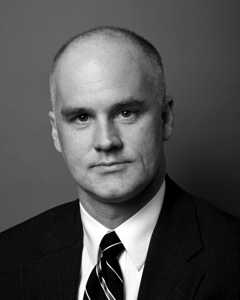
Paul O’Neill is an education attorney, professor and author with extensive experience in guiding education organizations through challenges and growth. He advises schools, authorizers, networks, non-profits, government agencies and philanthropies on the rules and complexities that apply to educational organizations as well as on effective board governance. He is also the Co-Founder & Senior Fellow of National Center for Special Education in Charter Schools.